
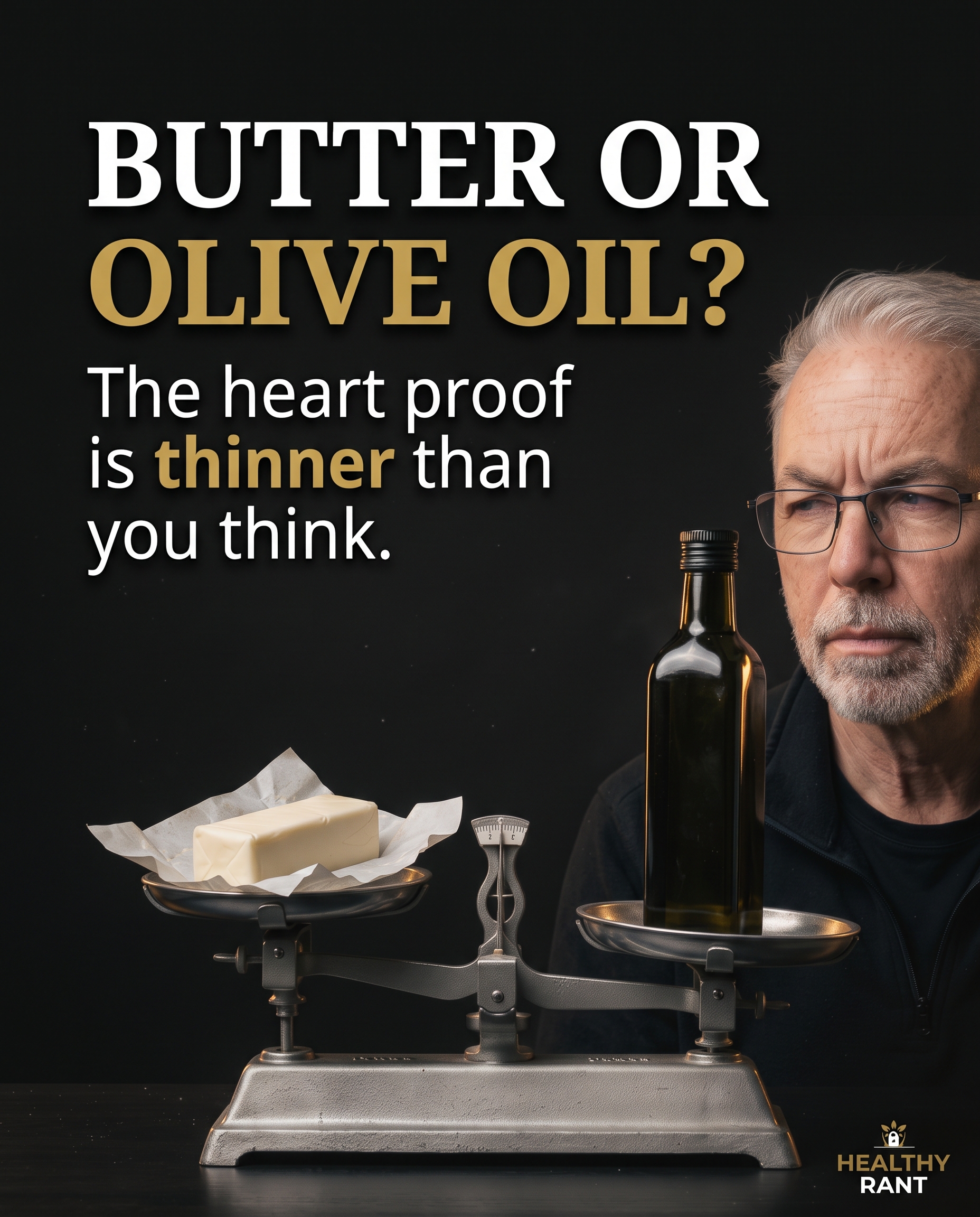
What the research really shows about cooking oils, butter, and your LDL
Are you swapping butter for olive oil and still wondering if it is working? I have spent 36 years in a cardiac cath lab and assisted on more than 25,000 angiograms, so I take this question seriously. Butter versus olive oil has real trial data behind it. But most cooking oil research is far weaker than the headlines suggest. This post separates what is proven from what is hype so you can choose with confidence.
What does the biggest review of cooking oils actually show?
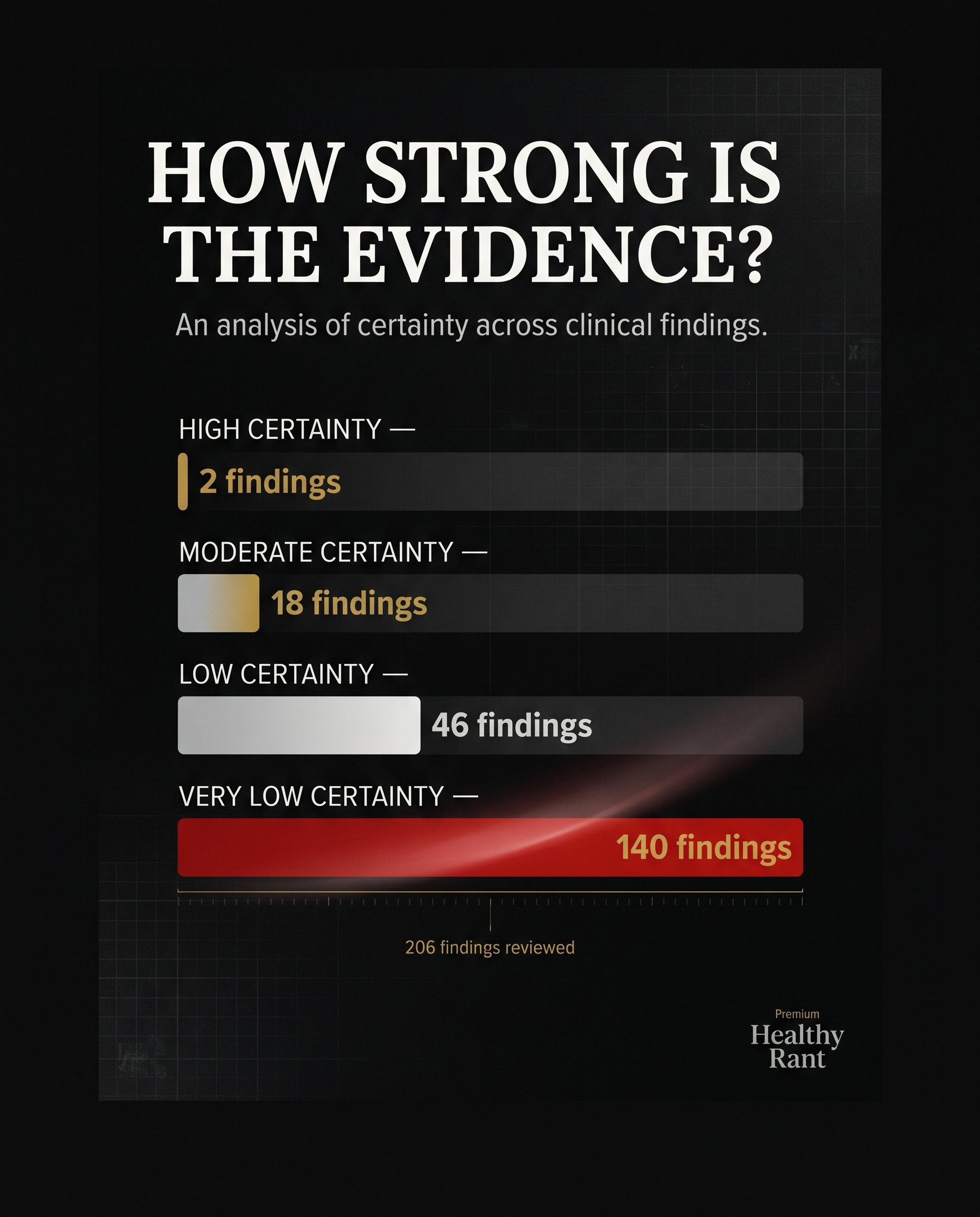
A 2024 review in Advances in Nutrition (Voon et al.) pooled 48 reviews and checked 206 separate findings on cooking oils. Only 2 of those findings were rated high certainty, and about 67.5% were very low certainty.
Here is how that breaks down:
Very low certainty means a better study could easily flip the result. That does not make the findings useless. It means treat them as direction, not proof.
Which cooking oils lowered LDL, and which raised it?
Virgin olive oil, canola oil, and rice bran oil lowered total cholesterol and LDL in the review. Coconut oil and palm oil raised LDL and also raised HDL.
LDL is the cholesterol that can build up in your artery walls. Lower is generally the goal. Here is the pattern:
One surprise: regular olive oil did not match virgin olive oil. In some comparisons it raised LDL, and it was the only oil linked to higher triglycerides. If you buy olive oil for your heart, the label matters. Look for extra virgin.
Also note that every result compares one oil to another oil, not to a baseline of no oil.
Is butter worse than olive oil for cholesterol?
In the best head-to-head trial I found, yes. Butter raised LDL more than olive oil or coconut oil. Butter was not in the oil review as a main exposure, only as a comparison in 7 of the included reviews, so this evidence comes from separate studies.
Notice the dose. 50 grams is about 3.5 tablespoons of butter a day. That is far more than a pat on toast. Treat the result as a direction, not a verdict.
Does lowering cholesterol mean you live longer?
Not necessarily. Lower LDL is a marker, not the finish line. The strongest evidence shows fewer heart events, while proof of living longer is thinner.
So the honest summary is this. The cholesterol-lowering part is consistent. The "you will live longer" part is where certainty drops.
Is cheese different from butter?
Possibly. Food structure may matter, not just fat grams. That is early evidence, but it is a reason to stop treating all dairy fat the same.
How much saturated fat is okay each day?
The 2025 to 2030 Dietary Guidelines for Americans, released in January 2026, kept the limit at 10% of calories from saturated fat. That is roughly 20 to 22 grams a day on a 2,000 calorie diet.
The same guidelines place more emphasis on full-fat dairy and other whole food fat sources. The cap itself did not change. A practical way to use it: let olive oil carry most of your cooking, and use butter as a flavor fat.
What should you do this week?
Start with these 5 steps. They hold up whether you believe the headlines or not.
- 1Make extra virgin olive oil your default daily fat.
- 2Keep butter as a flavor fat. A pat, not a scoop.
- 3Do not swap butter for refined carbs. That swap shows no benefit.
- 4Ask for a lipid panel that includes ApoB, then change your fats for 6 to 8 weeks and retest.
- 5Watch portions. Any oil adds calories, and the benefits assume normal amounts.
People respond differently to the same fat. Your retest numbers are the real answer for your body.
Key Takeaways
FAQ: 8 Questions About Butter, Olive Oil, And Cholesterol
Does butter raise cholesterol more than olive oil?
In a 4-week trial of about 90 adults, yes. Butter raised LDL significantly more than olive oil, but the dose was 50 grams a day.
Is coconut oil healthier than butter?
On LDL, coconut oil raised it less than butter in the same trial. Across 16 trials, though, coconut oil still raised LDL by about 10 mg/dL versus non-tropical oils.
Is extra virgin olive oil better than regular olive oil?
For cholesterol, the review points that way. Virgin olive oil lowered total cholesterol, while regular olive oil raised it in some comparisons.
Do eggs raise LDL more than saturated fat?
No. In a 2025 crossover trial of 61 adults, saturated fat intake predicted higher LDL and ApoB, while dietary cholesterol did not.
Is cheese better than butter for cholesterol?
It may be. In a Danish trial, LDL was about 7% higher on butter than on cheese with the same fat.
What is ApoB and why test it?
ApoB is a count of the artery-clogging particles in your blood. It can tell a fuller story than LDL alone.
How long before my cholesterol changes after switching fats?
Trials in this area often show changes within 4 weeks. Retest after 6 to 8 weeks to see your own response.
Does butter increase the risk of dying earlier?
A large Harvard study of 221,054 people linked the highest butter intake to 15% higher total mortality than the lowest. It was observational, so it shows an association, not proof.
---
Next Step
Want the full prevention playbook? Join The Independence Standard newsletter and get the Strong 60 Scorecard free. [FILL IN: newsletter signup link]
Watch the full video: Butter Vs Olive Oil: Why The Cholesterol Evidence Is Weak. [FILL IN: YouTube link]
Educational information only, not medical advice. Talk to your doctor before changing your diet or medications.